
Blogs
Roof Flashing Repair in Sydney

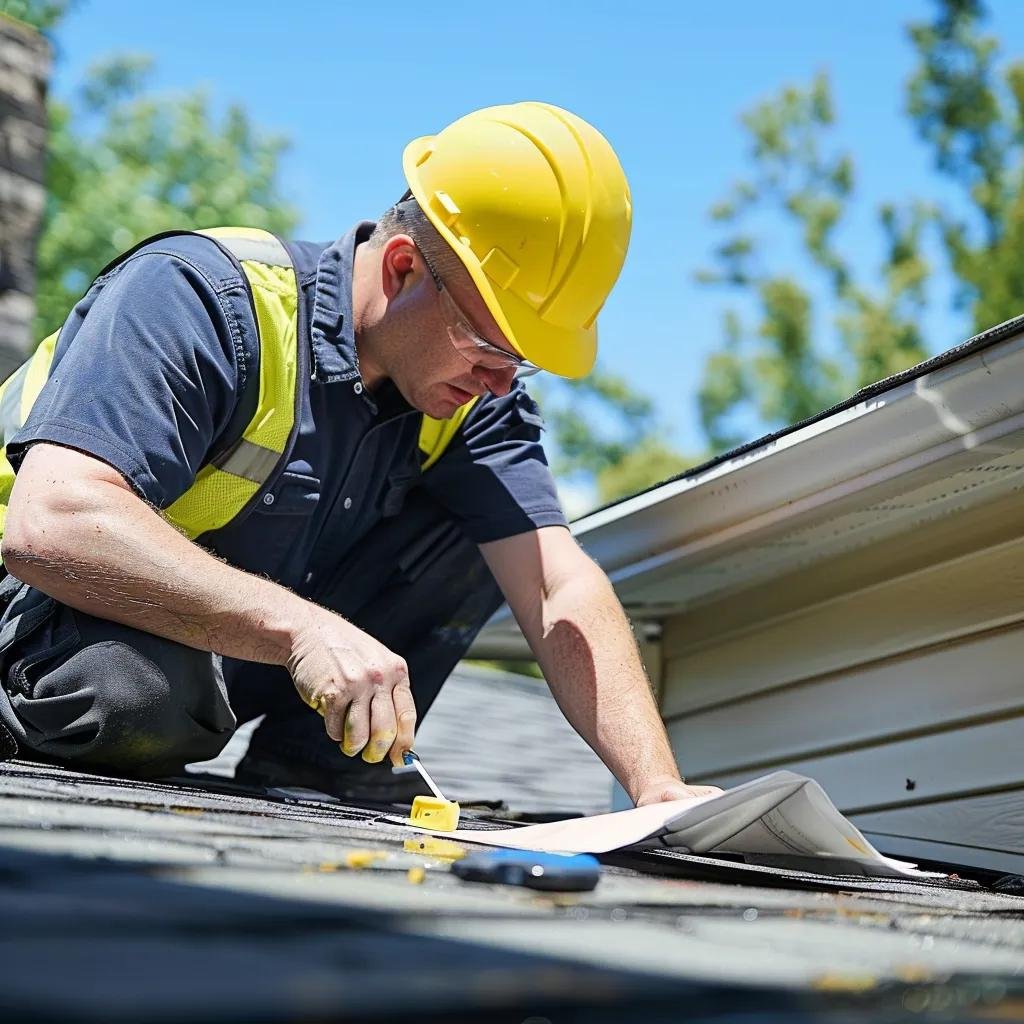
Roof Flashing Repair in Sydney: Rosella Roofing
Roof Flashing Repair in Sydney: Roof flashing is one of the most important yet often overlooked components of a roofing system. It plays a crucial role in protecting homes and commercial buildings from water damage, leaks, and structural deterioration. When flashing becomes damaged or worn, it can lead to serious roofing issues that require immediate attention. That is why Roof flashing repair in Sydney is an essential service for property owners who want to maintain the safety and durability of their roofs.
At Rosella Roofing Sydney, professional roofers provide expert inspection, repair, and replacement services to ensure flashing systems remain in excellent condition. With years of experience working on residential and commercial roofs across Sydney, the team understands the challenges posed by the region’s weather conditions, including heavy rain, strong winds, and intense sunlight. These environmental factors can gradually weaken flashing materials and create openings where water can enter.
This comprehensive guide explains everything you need to know about Roof flashing repair in Sydney, including what flashing is, why it matters, common signs of damage, repair techniques, and why professional services from Rosella Roofing Sydney are the best choice for maintaining a strong and leak-free roof.
Understanding Roof Flashing
Roof flashing is a thin material, usually made from metal, that is installed in areas of the roof where water could potentially enter. These locations typically include roof valleys, chimneys, skylights, vents, and where the roof meets walls. Flashing works by directing water away from seams and joints, preventing moisture from seeping into the structure.
Without proper flashing, rainwater can easily penetrate these vulnerable areas and cause leaks. Over time, this can lead to rotting wood, mold growth, insulation damage, and costly repairs. This is why Roof flashing repair in Sydney is considered a critical part of roof maintenance.
Professional roofing contractors such as Rosella Roofing Sydney ensure flashing is properly installed, sealed, and maintained to provide long-term protection for your property.
Importance of Roof Flashing for Sydney Homes
Sydney’s climate can be challenging for roofing systems. Seasonal storms, coastal winds, and high temperatures can gradually weaken roofing components. Flashing is particularly exposed to these conditions because it is installed in critical areas where water flows or collects.
Properly functioning flashing protects against water intrusion by creating a waterproof barrier around roof joints. When flashing is in good condition, it prevents rainwater from penetrating beneath shingles or roofing sheets. However, if it becomes loose, cracked, or corroded, the risk of leaks increases significantly.
Property owners who invest in Roof flashing repair in Sydney can prevent minor flashing issues from turning into major structural problems. Regular maintenance ensures flashing continues to perform its protective role effectively.
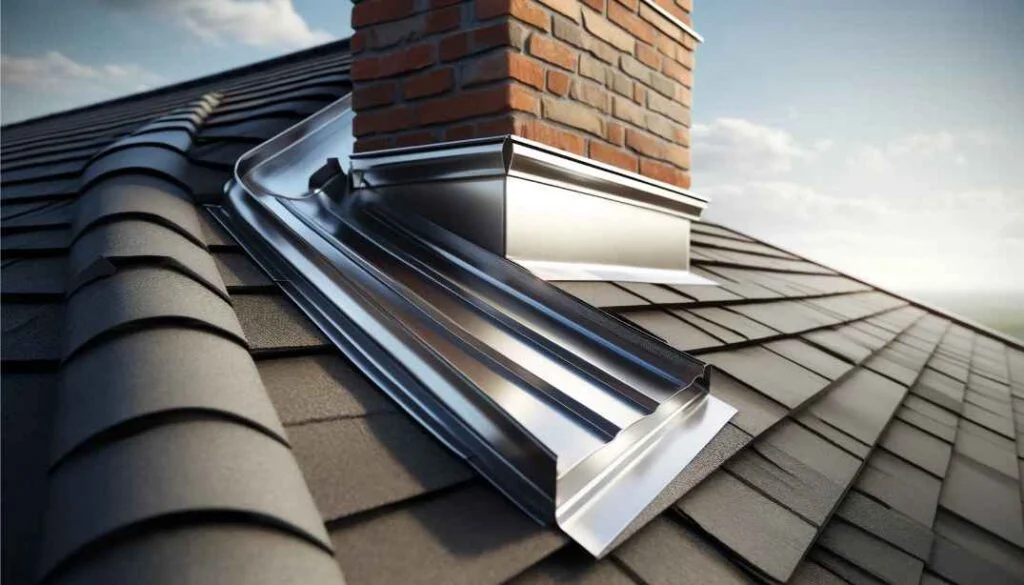
Common Types of Roof Flashing
Different areas of the roof require different types of flashing. Each type is designed to protect specific sections where water penetration is most likely to occur.
Step Flashing
Step flashing is installed where the roof meets a vertical wall, such as the side of a chimney or dormer. Small pieces of metal are layered with roofing materials to create a waterproof barrier.
Valley Flashing
Roof valleys are areas where two roof slopes meet, allowing water to flow downward. Valley flashing channels water safely off the roof and prevents leaks in this vulnerable location.
Chimney Flashing
Chimney flashing seals the joint between the chimney and the roof surface. This area often experiences leaks if flashing becomes damaged or poorly sealed.
Vent Pipe Flashing
Vent pipes that protrude through the roof require specialized flashing to prevent water from entering around the pipe.
Skylight Flashing
Skylights add natural light to homes but can also be potential leak points. Proper flashing ensures the edges of the skylight remain waterproof.
When any of these flashing types deteriorate, Roof flashing repair in Sydney becomes necessary to maintain the integrity of the roof.
Signs Your Roof Flashing Needs Repair
Identifying flashing problems early can prevent expensive roof damage. Several warning signs indicate that flashing may require professional attention.
Water Leaks
One of the most obvious signs of flashing failure is water leaking inside the home. Stains on ceilings or walls often indicate water entering through damaged flashing.
Rust or Corrosion
Metal flashing can rust over time, especially when exposed to moisture and environmental pollutants. Rust weakens the material and reduces its ability to seal roof joints.
Loose or Missing Flashing
Strong winds or aging sealants can cause flashing pieces to become loose or detached from the roof.
Cracked Sealant
Flashing is usually sealed with roofing cement or silicone. When this sealant cracks or deteriorates, water can penetrate the gap.
Visible Gaps Around Roof Features
If you notice gaps around chimneys, vents, or skylights, flashing may have shifted or deteriorated.
If any of these issues are present, contacting professionals for Roof flashing repair in Sydney is the best way to protect your property.
Causes of Roof Flashing Damage
Flashing damage can occur for several reasons. Understanding these causes helps homeowners take preventive measures.
Weather Exposure
Sydney’s climate exposes roofs to heavy rainfall, strong winds, and intense UV radiation. These conditions gradually weaken flashing materials.
Poor Installation
Improperly installed flashing is one of the most common causes of roof leaks. If flashing is not correctly fitted or sealed, it may fail prematurely.
Age and Wear
Over time, flashing materials naturally deteriorate. Older roofs are more likely to require repairs or replacement.
Structural Movement
Buildings expand and contract due to temperature changes. This movement can cause flashing to shift or loosen.
Debris Accumulation
Leaves and debris can trap moisture around flashing areas, increasing the risk of corrosion and leaks.
Professional Roof flashing repair in Sydney addresses these issues and restores the roof’s waterproof protection.

Roof Flashing Repair Process
Repairing flashing requires careful inspection and professional techniques to ensure long-lasting results. Rosella Roofing Sydney follows a detailed process to restore flashing systems effectively.
Initial Inspection
Roofing specialists begin by inspecting the entire roof to identify damaged flashing areas. This includes examining valleys, chimneys, skylights, and vents.
Cleaning the Area
Before repairs begin, debris and dirt are removed from the affected area to ensure proper adhesion of sealants and materials.
Removing Damaged Flashing
If flashing is severely damaged, it may need to be removed and replaced with new material.
Installing New Flashing
Replacement flashing is carefully fitted and secured to ensure a watertight seal.
Sealing and Waterproofing
High-quality roofing sealants are applied to prevent water penetration and reinforce the flashing system.
This professional approach ensures Roof flashing repair in Sydney is completed safely and effectively.
Benefits of Professional Flashing Repair
Hiring experienced roofing contractors provides several advantages for homeowners and businesses.
Leak Prevention
Professional repairs restore flashing functionality and prevent water intrusion.
Extended Roof Lifespan
Proper flashing maintenance helps extend the life of the entire roofing system.
Improved Structural Protection
Repairing flashing protects roof decking, insulation, and interior structures from moisture damage.
Cost Savings
Addressing flashing problems early prevents costly structural repairs in the future.
Enhanced Property Value
A well-maintained roof improves the overall value and appearance of a property.
These benefits make Roof flashing repair in Sydney a worthwhile investment.
Roof Flashing Replacement vs Repair
Sometimes flashing damage is minor and can be repaired with sealant or small adjustments. In other cases, complete replacement may be necessary.
Repairs are typically sufficient when flashing is slightly loose or has minor cracks. Replacement is recommended when flashing is heavily corroded, severely bent, or missing entirely.
Rosella Roofing Sydney evaluates each situation carefully and recommends the most cost-effective solution for Roof flashing repair in Sydney.
Materials Used in Roof Flashing
Modern flashing is made from several durable materials designed to withstand weather exposure.
Aluminum
Lightweight and corrosion-resistant, aluminum flashing is commonly used in residential roofing.
Galvanized Steel
Steel flashing coated with zinc offers excellent durability and strength.
Copper
Copper flashing is highly durable and often used for premium roofing systems.
Lead
Lead flashing is flexible and commonly used around chimneys and roof joints.
Choosing the right material ensures the longevity of Roof flashing repair in Sydney projects.
Preventive Maintenance for Roof Flashing
Regular maintenance can help extend the life of flashing and prevent leaks.
Schedule Regular Roof Inspections
Professional inspections identify flashing issues before they become serious problems.
Keep Roofs Clean
Removing debris prevents moisture buildup around flashing areas.
Check Sealants
Sealants should be inspected and reapplied if they show signs of cracking or wear.
Repair Minor Damage Quickly
Small flashing problems should be repaired promptly to avoid larger repairs later.
Following these steps helps property owners avoid frequent Roof flashing repair in Sydney services.
Residential Roof Flashing Repair Services
Homes in Sydney rely on effective flashing to protect against heavy rainfall and storms. Rosella Roofing Sydney offers specialized repair services for residential roofs, ensuring flashing around chimneys, skylights, and vents remains secure.
Professional roofers carefully inspect each component and perform repairs using high-quality materials. This ensures homes remain protected from leaks and structural damage.
Commercial Roof Flashing Repair
Commercial buildings often have larger and more complex roofing systems. Flashing around HVAC units, vents, and structural joints requires specialized expertise.
Rosella Roofing Sydney provides reliable commercial solutions for Roof flashing repair in Sydney, helping businesses maintain safe and durable roofing systems.
Emergency Flashing Repairs
Unexpected storms or structural damage can cause flashing to fail suddenly. Emergency repair services ensure leaks are addressed quickly before significant damage occurs.
Rosella Roofing Sydney offers fast response services for urgent flashing problems across Sydney.
Why Choose Rosella Roofing Sydney
Choosing a reliable roofing company is essential for effective flashing repair. Rosella Roofing Sydney is known for delivering high-quality workmanship and dependable roofing solutions.
Experienced Professionals
The team has extensive experience handling flashing repairs on various roof types.
High-Quality Materials
Only durable materials and professional sealants are used for long-lasting results.
Comprehensive Roof Services
In addition to flashing repairs, the company provides roof restoration, repairs, cleaning, and maintenance services.
Customer Satisfaction
Rosella Roofing Sydney focuses on providing reliable and transparent service to every client.
These qualities make them a trusted provider of Roof flashing repair in Sydney.
Cost of Roof Flashing Repair
The cost of flashing repair depends on several factors, including the size of the roof, the type of flashing material, and the extent of damage. Minor repairs are usually affordable, while extensive replacement may require a larger investment.
However, timely Roof flashing repair in Sydney can save property owners significant costs by preventing major structural repairs.
Long-Term Benefits of Flashing Maintenance
Maintaining flashing offers long-term advantages for property owners.
- Prevents water damage
- Extends roof lifespan
- Reduces repair costs
- Protects interior structures
- Maintains energy efficiency
These benefits highlight the importance of professional Roof flashing repair in Sydney services.
Conclusion
Roof flashing is a critical component of any roofing system. It protects vulnerable areas from water intrusion and ensures the roof remains durable and weather-resistant. When flashing becomes damaged, leaks and structural problems can occur quickly.
Investing in professional Roof flashing repair in Sydney ensures your roof remains secure and functional. Regular inspections, timely repairs, and proper maintenance help prevent costly damage and extend the life of your roofing system.
Rosella Roofing Sydney provides expert flashing repair services designed to protect homes and commercial properties throughout Sydney. With skilled professionals, quality materials, and a commitment to customer satisfaction, they deliver reliable roofing solutions you can trust.
If you notice signs of flashing damage or want to ensure your roof remains in top condition, contacting Rosella Roofing Sydney for Roof flashing repair in Sydney is the best step toward protecting your property for years to come.
Contact Us
Rosella Roofing, Suite 12 1/44 Mountain Street
Ultimo 2007
New South Wales,
Australia
0414 559 004
[email protected]
ABN: 70662317651
FAQs About Roof Flashing repair in Sydney and Leak Protection:-
1. What is roof flashing and why is it important for a roofing system?
Roof flashing is a thin material, usually made of metal, installed in critical areas of a roof to prevent water from entering joints and seams. It is commonly placed around chimneys, skylights, vents, and roof valleys where water is more likely to collect. Flashing directs rainwater away from vulnerable areas and guides it safely toward gutters and drainage systems. Without proper flashing, moisture can seep beneath roofing materials and cause structural damage. Over time, this can lead to mold growth, wood rot, and insulation deterioration. Proper installation and maintenance ensure that flashing continues to protect the roof from water intrusion. Regular inspections help detect early signs of wear before serious problems occur.
2. How can damaged flashing cause roof leaks?
When flashing becomes damaged, it can create small openings where rainwater can penetrate the roof structure. Cracks, corrosion, or loose flashing allow moisture to seep beneath roofing materials. Once water enters these areas, it can spread through insulation and timber components. Over time, this moisture weakens the roof structure and may cause interior ceiling stains. If the problem is not addressed, leaks can worsen and affect other parts of the building. Weather exposure, poor installation, or aging materials often contribute to flashing deterioration. Identifying the problem early helps prevent extensive water damage.
3. What are the common signs that roof flashing may need attention?
Several warning signs indicate that flashing might not be functioning properly. Water stains on ceilings or walls are often one of the first indicators of a problem. Rust or corrosion on visible metal flashing can also signal deterioration. Loose or lifted flashing pieces around chimneys or vents may allow water to enter the roof structure. Cracked sealant around flashing edges is another common sign of aging materials. In some cases, homeowners may notice damp insulation or mold growth in attic spaces. Regular inspections help identify these issues early. Addressing them promptly prevents costly repairs in the future.
4. What materials are commonly used for roof flashing?
Roof flashing can be made from several durable materials designed to withstand outdoor conditions. Aluminum is a popular choice because it is lightweight and resistant to corrosion. Galvanized steel is another commonly used material due to its strength and durability. Copper flashing is often used for premium roofing systems because it offers exceptional longevity and an attractive appearance. Lead flashing is flexible and frequently installed around chimneys or complex roof shapes. Each material has unique advantages depending on the roofing structure and environment. Choosing the right material helps ensure long-lasting protection. Professional roofers can recommend the most suitable option for specific roofs.
5. How often should flashing be inspected on a roof?
Roof flashing should ideally be inspected at least once or twice a year to ensure it remains in good condition. Seasonal inspections, especially after heavy storms or strong winds, are particularly important. During these inspections, roofing professionals look for signs of rust, loose pieces, or cracked sealants. Early detection of minor issues helps prevent larger structural problems later. Property owners can also perform visual checks from the ground to look for visible damage. However, professional inspections are more thorough and reliable. Regular maintenance significantly extends the lifespan of roofing components.
6. What areas of a roof require flashing installation?
Flashing is installed in several critical areas of a roof where water could potentially enter. One of the most common locations is around chimneys, where the roof meets vertical structures. Skylights also require flashing to prevent leaks along the edges of the window frame. Roof valleys, where two slopes meet, need flashing to direct water flow properly. Vent pipes and HVAC outlets also rely on flashing for waterproof protection. Additionally, areas where roofs meet walls require step flashing to prevent moisture intrusion. Proper installation in these locations is essential for maintaining a leak-free roof. Without these protective components, the roof would be more vulnerable to water damage.
7. Can flashing problems affect the structural integrity of a building?
Yes, flashing problems can eventually impact the structural integrity of a building if they are not addressed promptly. When water enters through damaged flashing, it can saturate wooden roof supports and insulation. Continuous exposure to moisture can cause timber components to weaken and rot. Mold growth may also develop in damp areas, affecting indoor air quality. Over time, this damage can spread to ceilings, walls, and even electrical systems. Addressing flashing issues early helps prevent these serious structural problems. Proper maintenance ensures the entire roofing system remains stable and secure.
8. What causes flashing to deteriorate over time?
Several factors contribute to the gradual deterioration of flashing materials. Weather exposure is one of the most common causes, as rain, wind, and sunlight affect metal surfaces. Temperature fluctuations cause roofing materials to expand and contract, which can loosen flashing over time. Corrosion may occur when moisture remains trapped around metal components. Poor installation techniques can also lead to premature damage. Debris buildup in roof valleys may trap water and accelerate deterioration. Aging materials naturally weaken after many years of exposure. Regular inspections help detect these issues before major repairs become necessary.
9. Can roof flashing be repaired without replacing the entire roof?
In many cases, flashing can be repaired without replacing the entire roofing system. If the damage is limited to specific areas, roofing professionals can remove the affected flashing and install new pieces. Sealants and waterproof coatings may also be applied to strengthen the protective barrier. This targeted approach helps restore the roof’s waterproofing without major construction work. However, if flashing damage is widespread, additional repairs may be recommended. A professional inspection determines the best course of action. Addressing flashing issues early often avoids the need for larger roof replacement projects.
10. Why is professional roofing expertise important for flashing work?
Flashing installation and repair require specialized knowledge and experience. Professional roofers understand how water flows across roofing surfaces and how flashing should be positioned. Improper installation can leave gaps that allow moisture to penetrate the roof. Roofing experts use high-quality materials and proper sealing techniques to ensure durable results. They also have the safety equipment necessary for working on roofs safely. Professional services help prevent recurring leaks and structural damage. Investing in experienced contractors ensures long-lasting roof protection.
11. How does flashing help protect chimneys from leaks?
Chimneys create openings in the roof that must be carefully sealed to prevent water entry. Flashing is installed around the base of the chimney to create a waterproof barrier. Step flashing pieces are layered with roofing materials to direct water away from the joint. Counter flashing is also used to secure the system and improve durability. When properly installed, this system prevents rainwater from seeping into the roof structure. Over time, sealants may wear down and require maintenance. Routine inspections ensure chimney flashing continues to perform effectively.
12. Can flashing issues increase energy costs in a home?
Yes, damaged flashing can indirectly increase energy costs. When moisture enters the roof structure, it can damage insulation materials. Wet insulation loses its ability to regulate indoor temperatures effectively. As a result, heating and cooling systems must work harder to maintain comfortable conditions. This increased energy usage leads to higher utility bills. Moisture damage may also reduce the efficiency of ventilation systems. Keeping flashing in good condition helps preserve insulation performance. This ultimately contributes to improved energy efficiency.
13. What role does flashing play around skylights?
Skylights are attractive architectural features that allow natural light into a building. However, they create openings in the roof that must be carefully sealed. Flashing is installed around the skylight frame to prevent water from entering. This protective barrier directs rainwater away from the edges of the skylight. Without proper flashing, water can seep into the surrounding roofing materials. Over time, this may cause leaks and interior damage. Professional installation ensures skylight flashing remains secure and watertight.
14. Is flashing maintenance necessary for both residential and commercial roofs?
Yes, flashing maintenance is important for both residential and commercial roofing systems. Homes typically require flashing around chimneys, vents, and skylights. Commercial buildings often have additional roof features such as HVAC units and ventilation systems. Each of these components requires proper sealing to prevent water intrusion. Regular maintenance helps ensure flashing continues to function effectively. Inspections allow roofing professionals to identify potential issues early. Preventive care protects both small homes and large commercial structures from costly repairs.
15. What happens if flashing is installed incorrectly?
Improper flashing installation can create significant roofing problems. If flashing is not positioned correctly, water may flow underneath roofing materials instead of away from them. This can cause hidden leaks that gradually damage structural components. Incorrect sealing may also allow wind-driven rain to enter the roof system. Over time, these issues may lead to interior water damage and mold growth. Professional roofing contractors understand the precise techniques required for correct installation. Proper workmanship ensures the roof remains durable and leak resistant.
16. Can strong storms damage roof flashing?
Yes, severe weather conditions can damage flashing components. Strong winds may lift or loosen metal flashing pieces. Heavy rainfall can expose weaknesses in older flashing systems. Hailstorms may dent or crack metal materials. Debris carried by wind can also strike flashing and cause physical damage. After major storms, it is wise to schedule a professional roof inspection. Early repairs help restore protection before leaks develop.
17. How long does roof flashing typically last?
The lifespan of flashing depends on the material used and environmental conditions. Aluminum flashing may last around 20 years with proper maintenance. Galvanized steel can often last even longer if protected from corrosion. Copper flashing is known for exceptional durability and may last several decades. However, factors such as weather exposure and installation quality affect longevity. Regular inspections and maintenance help extend its lifespan. Replacing aging flashing ensures continued protection against leaks.
18. Can debris buildup damage flashing areas?
Yes, debris accumulation can contribute to flashing problems. Leaves, dirt, and branches can collect in roof valleys and around flashing points. This debris traps moisture and prevents proper water drainage. Prolonged moisture exposure can accelerate corrosion in metal flashing. In some cases, debris may also shift flashing components out of position. Routine roof cleaning helps remove these materials and protect flashing systems. Keeping the roof clear ensures water flows freely away from vulnerable areas.
19. Is sealing flashing an effective temporary solution for leaks?
Applying sealant around flashing can sometimes provide a temporary solution for minor leaks. Roofing sealants help close small cracks and reinforce waterproof protection. However, sealant alone may not solve underlying structural problems. If flashing is severely damaged or improperly installed, replacement may be necessary. Professional roofers evaluate the condition of the flashing before recommending repairs. Temporary sealing may buy time, but long-term solutions ensure better durability. Comprehensive repairs provide more reliable protection.
20. Why should homeowners schedule regular roof inspections?
Regular roof inspections help identify potential problems before they cause serious damage. Roofing professionals examine flashing, shingles, gutters, and drainage systems. Early detection allows small issues to be repaired quickly and affordably. Inspections also help extend the overall lifespan of the roof. Property owners gain peace of mind knowing their roofing system is in good condition. Preventive maintenance reduces the risk of unexpected leaks during storms. Scheduling routine inspections is one of the best ways to protect a property from costly roofing repairs.
Contact Us
Rosella Roofing, Suite 12 1/44 Mountain Street
Ultimo 2007
New South Wales,
Australia
0414 559 004
[email protected]
ABN: 70662317651
