
Blogs
Roof Tiling Sydney: The Complete Guide for Homeowners

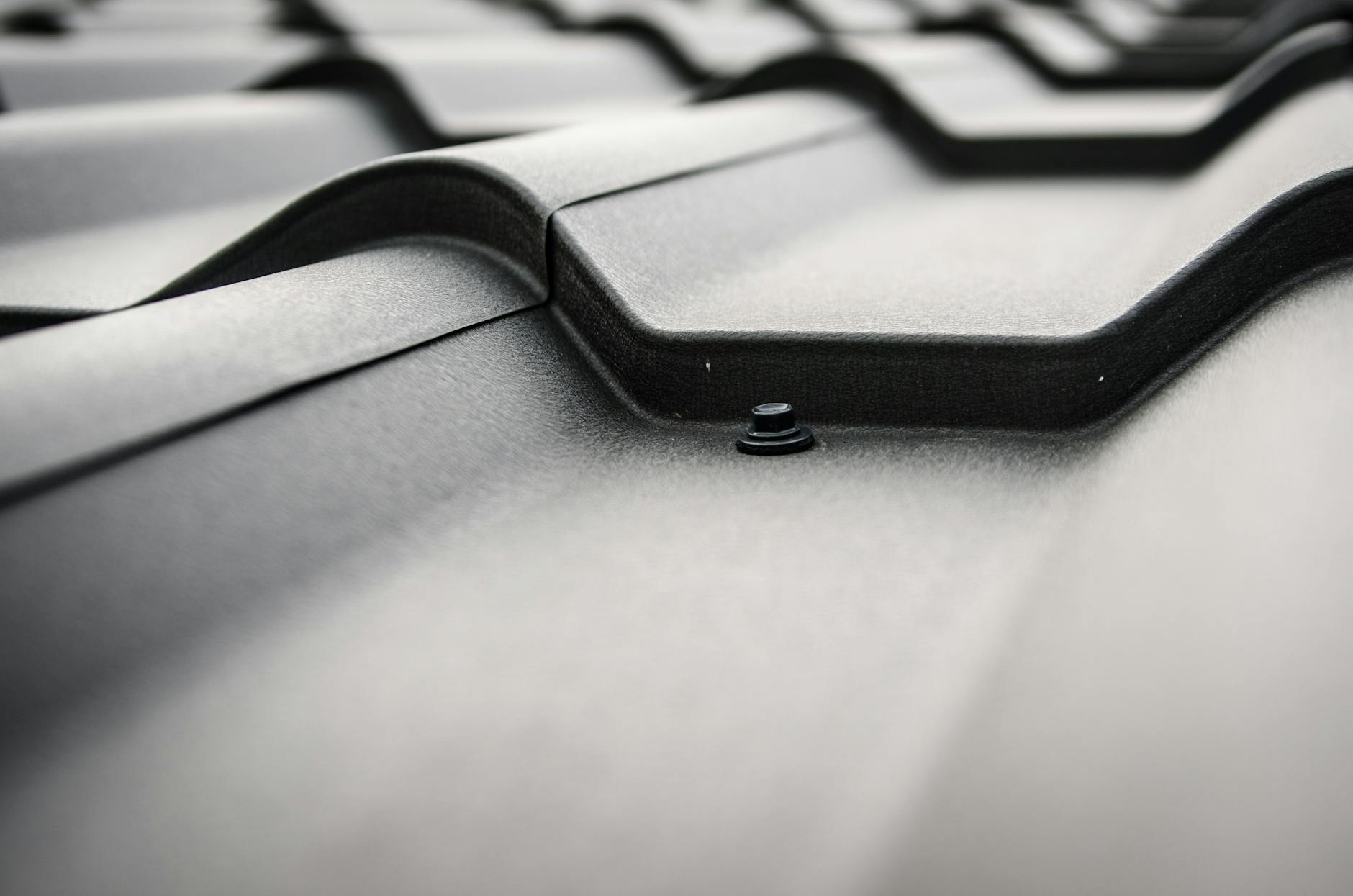
Last summer, a homeowner in Baulkham Hills called us after a severe storm ripped three ridge tiles loose and pushed water through the ceiling. The tiles were original terracotta — installed in 1987. The structure was fine. The problem was 37 years of deferred maintenance and not a single inspection since 2019. One targeted roof tiling assessment would have caught it all.
Why Roof Tiling Decisions Define Your Sydney Home’s Future
Sydney roofs cop punishment from every direction. Summer heat pushes surface temperatures past 70°C on dark tiles. East-coast lows dump 100mm of rain in an afternoon. And coastal air from Cronulla to Manly accelerates corrosion on anything metal that isn’t protected. The tiles sitting over your head are doing serious work every day.
Too many homeowners treat roof tiling as a set-and-forget exercise. They replace broken tiles after storms, paint over the moss, and call it done. That approach costs far more over time than a structured tiling strategy from the start.
In this guide, you’ll discover:
- Which tile materials suit Sydney’s climate — and which ones quietly degrade under coastal UV exposure.
- What NSW building codes require for roof tiling — so you don’t get caught out on a renovation or insurance claim.
- How to prepare your tile roof for solar installation — a step most solar companies skip entirely.
Whether you’re re-tiling a Federation home in Leichhardt, upgrading a 1970s brick veneer in Penrith, or planning a full re-roof on a new build in the Hills District, this guide gives you the grounding to make smart decisions.
Choosing the Right Roof Tile for Sydney Conditions
According to the Australian Institute of Waterproofing, incorrect material selection is responsible for more than 40% of premature roofing failures in residential properties. For Sydney homeowners, that figure is even higher because our climate punishes the wrong materials fast.
Concrete Tiles
Concrete tiles are the most common choice across Greater Sydney. They’re durable, cost-effective, and available in a wide range of profiles. A standard concrete tile re-roof on a 200sqm home typically costs between $18,000 and $28,000 installed, depending on pitch and complexity. Concrete tiles absorb more moisture than terracotta over time — so repointing and sealing every 10 to 15 years is non-negotiable in high-rainfall suburbs like Penrith and the Hills District.
Terracotta Tiles
Terracotta is the tile of choice on Sydney’s Federation and Californian bungalow homes. It’s denser, harder, and more resistant to UV degradation than concrete. Terracotta holds its colour naturally without painting. The downside: it’s heavier (typically 42–50kg per sqm versus 38–46kg for concrete) and costs 20–30% more to supply and install. For heritage-listed properties in the Inner West or Ku-ring-gai, terracotta is often specified by council.
Slate Tiles
Natural slate is the premium tier. It lasts 80 to 100 years with minimal maintenance and is fire-resistant, which matters in bushfire-prone zones across Sydney’s western fringe. Slate runs $80–$120 per sqm for material alone. Most Sydney re-tiling projects use slate on feature sections — porticos, bay windows, heritage restorations — rather than full roof coverage. Our team at Rosella Roofing has supplied and laid slate on heritage restorations across the Inner West; you can see the results in our Inner West roofing portfolio.
Colorbond Metal Roofing
Strictly speaking, Colorbond is not a tile — but it’s worth covering here because many Sydney homeowners switch from tiles to metal sheeting at re-roof time. Colorbond is lighter, faster to install, and performs exceptionally well in coastal environments. For those considering the switch, our metal roof restoration guide breaks down the full cost and process comparison.
Your tile choice locks in 20 to 50 years of maintenance costs. Get it right at selection, not after installation.
How Sydney’s Weather Attacks Your Tile Roof
The Bureau of Meteorology recorded 1,217mm of rainfall in Sydney in 2022 — nearly double the annual average. East-coast lows, hailstorms, and intense UV cycles are not occasional events here. They’re the baseline. Your tile roof deals with all of it, year after year.
Storm Damage: The Hidden Problem
Hailstones above 2cm in diameter crack concrete tiles. Storms with gusts above 90km/h — recorded in Sydney’s western suburbs multiple times in the last decade — dislodge ridge capping and push water under the bedding line. The damage often isn’t visible from the ground. Homeowners only find out when water stains appear on the ceiling, by which point the sarking, battens, and sometimes the structural timbers are already wet.
Knowing when to act is critical. If you’ve had a major storm pass over your suburb, our checklist of 10 warning signs your Sydney roof needs repair tells you exactly what to look for from the ground before calling a roofer.
Heat Cycling and Tile Cracking
Sydney’s summer sun pushes concrete tile surface temperatures to 65–72°C. At night, temperatures drop 20°C or more. This thermal cycling expands and contracts tiles across thousands of cycles over a roof’s life. Over time, hairline cracks develop — often invisible until water finds them. Once water gets under a tile, the bedding mortar softens, and within two or three wet seasons, ridge caps begin to lift.
Moss, Lichen, and Water Retention
Sydney’s humidity (averaging 65% year-round) feeds moss and lichen growth on tile surfaces. Both organisms hold moisture against the tile face, accelerating surface erosion and staining. Moss roots penetrate surface coatings and, on older tiles, the tile itself. In coastal suburbs like Cronulla, salt-laden moisture makes the problem worse — it’s one reason roof cleaning in Cronulla is a regular maintenance item for local homeowners, not a one-off cosmetic fix.
Understanding what Sydney weather does to your tiles explains why inspections, not just repairs, are the smarter investment. Our guide on protecting your Sydney roof from extreme weather goes deeper on preventative measures worth implementing before storm season hits.
The Roof Tiling Process — What a Full Re-Tile Involves
According to the Housing Industry Association, a full re-tile is one of the top five highest-value roofing jobs in the residential sector, with the average Sydney re-tile running between $18,000 and $45,000 depending on size, pitch, and tile selection. Knowing what the process involves helps you evaluate quotes accurately and avoid being undersold on essential work.
Stage 1: Strip and Inspect
Every professional re-tile starts with a full strip. The existing tiles are removed, stacked for disposal or recycling, and the roof frame is inspected. This is where problems surface. We regularly find rotten battens, damaged sarking, and cracked rafters on Sydney homes built between 1960 and 1990 — the era of cheap pine framing in fast-growing suburbs like Blacktown, Parramatta, and Penrith. In a recent job in Blacktown, we stripped a 240sqm concrete tile roof and found 18 linear metres of rotten battens hidden under tiles that looked intact from the street.
Stage 2: Sarking and Batten Install
Sarking is the reflective foil membrane laid under the tile battens. Under the National Construction Code (NCC) Section J energy efficiency provisions, sarking is mandatory on new roofs and strongly recommended on re-tiles in climate zones 5 and 6 — which covers all of Greater Sydney. Sarking reduces heat transfer into the roof space by up to 35% (CSIRO Building Research data, 2021). New battens are fixed at spacings specified by the tile manufacturer, typically 300–345mm for standard concrete profiles.
Stage 3: Tile Laying and Bedding
Tiles are laid from the eave up in overlapping courses. Ridge and hip tiles are bedded in a sand-cement mortar mix and pointed with flexible polymer pointing compound — not rigid cement, which cracks with thermal movement. A standard 200sqm re-tile takes our two-person tiling crew three to four full days to complete. We document each stage with photos for insurance and council records. For jobs involving flashing work around chimneys, skylights, or parapet walls, our roof flashing repair team works alongside the tilers to ensure every penetration is sealed to AS/NZS 4200 standard.
A well-executed re-tile with documented stage photos gives you a clear before-and-after record. It’s also valuable evidence if you ever need to make an insurance claim following storm damage.
Sydney Roof Tile Materials: A Direct Comparison
| Tile Type | Lifespan (Sydney Climate) | Cost Per sqm (Supply Only) | Maintenance Frequency | Coastal Suitability |
|---|---|---|---|---|
| Concrete (unglazed) | 30–50 years | $18–$32 | Reseal every 10–15 years | Moderate — absorbs salt spray |
| Concrete (glazed) | 40–55 years | $28–$45 | Reseal every 15–20 years | Good — glaze reduces absorption |
| Terracotta | 50–80 years | $40–$65 | Repoint every 15–20 years | Very good — natural density |
| Natural Slate | 80–100+ years | $80–$120 | Minimal — check flashings only | Excellent — impermeable |
| Colorbond (metal) | 25–50 years | $20–$35 | Annual gutter clean + inspection | Excellent — aluminium-zinc coating |
NSW Building Code Requirements for Roof Tiling
The National Construction Code (NCC) 2022 and its state supplement under NSW Fair Trading set binding requirements for roof tiling work. According to NSW Fair Trading, all residential roofing work valued above $5,000 must be carried out by a licensed contractor holding a valid contractor licence under the Home Building Act 1989. Unlicensed tiling work voids your home insurance — a fact many homeowners discover only after lodging a storm damage claim.
Wind Load Classifications
Sydney is divided into wind load regions under AS 4055 (Wind Loads for Housing). Most suburban Sydney falls into Wind Class N2 or N3. Coastal and elevated areas (including parts of the Northern Beaches and Blue Mountains foothills) may be classified N4 or higher. Each wind class mandates minimum tile batten screw fixings and maximum spacing. In N3 and above, every tile in the top three courses must be mechanically fixed — not just bedded in mortar. A quote that doesn’t reference wind class is missing a compliance step.
Bushfire Attack Levels
Sydney’s western and northern fringe suburbs fall within Bushfire Attack Level (BAL) zones. Under AS 3959 (Construction in Bushfire-Prone Areas), BAL-29 and above requires non-combustible roof cladding. Terracotta and concrete tiles both comply. Timber-battened roofs in BAL-FZ zones require additional ember-guard protection at the eave line. If your property is in a bushfire-prone area — check via the NSW Rural Fire Service online portal — confirm your tile and batten specification meets the relevant BAL rating before work commences.
Energy Efficiency (NCC Section J)
NCC 2022 tightened minimum thermal performance requirements for Sydney’s climate zone (Zone 5). Any re-tile that involves a full strip-back now triggers Section J compliance for the roof assembly. That means sarking or bulk insulation in the roof cavity must meet a minimum R-value of 3.7 for ceilings. A licensed roofer will flag this; an unlicensed operator typically won’t.
Compliance isn’t bureaucratic box-ticking. It protects your insurance cover, your property value, and the structural integrity of the roof over your family’s heads. Our team at Rosella Roofing operates under a current NSW contractor licence across all Greater Sydney projects — from local roofing contractor jobs to full heritage restorations.
Pre-Solar Roof Inspection: Why Tiles Must Be Right Before Panels Go On
The Clean Energy Council reported that Australia installed over 350,000 residential solar systems in 2023 alone. Sydney led the state. The problem: solar installers assess structural loading and roof pitch, but most do not inspect tile condition, pointing integrity, or batten fixings. They mount racking systems through tiles that are already cracked, over bedding that’s already failing. The result is a roof that leaks within 18 months of installation — and removing and reinstalling panels to fix it costs $3,000 to $8,000 on top of the repair work.
What a Pre-Solar Roof Tiling Check Covers
- Tile integrity assessment — Every tile in the solar zone inspected for hairline cracks, spalling, and surface erosion. Cracked tiles must be replaced before panel mounting begins.
- Ridge and hip pointing condition — Brittle pointing fails at penetration points. We replace failed pointing with polymer compound before racking fixings are installed.
- Batten condition and fixing — Solar panels add 12–18kg per sqm of dead load to a roof. Battens must be in sound condition and correctly fixed to rafters to carry that load under wind uplift.
- Flashing integrity at penetrations — Every cable and conduit penetration through the tile plane creates a water entry point. Flashing must be installed correctly at each penetration.
- Gutter condition check — Solar panels shed water faster than bare tiles. Undersized or damaged gutters overflow under panel runoff. Our gutter maintenance guide explains what to look for and when to upgrade.
What the Pre-Solar Inspection Typically Finds
In our experience across Sydney re-roofing projects, approximately 60% of homes requesting a pre-solar check have at least one tiling defect requiring rectification before panel installation. The most common: failed polymer pointing on ridge tiles (present in 40% of homes over 15 years old), cracked tiles in the northern roof plane (where solar panels are typically mounted), and corroded valley iron hidden under tile overlap. The average rectification cost before solar is $800 to $2,500 — far less than the cost of removing and reinstalling panels after the fact.
Rosella Roofing provides pre-solar roof tiling certificates recognised by major solar installers across Greater Sydney. If rectification work is needed, we quote and complete it in one site visit where possible. You can read our full maintenance framework in The Sydney Homeowner’s Complete Roof Maintenance Guide.
Common Roof Tiling Mistakes Sydney Homeowners Make
“The biggest mistake we see is homeowners accepting a quote that skips the strip-back inspection. You cannot properly assess what a roof needs until it’s stripped back. Any roofer who quotes a re-tile without a strip is guessing — and you’re paying for that guess.”
— Rosella Roofing Team
- Patching over failed bedding — Repointing ridge tiles over soft or cracked bedding mortar looks fine for 12 months, then fails in the next storm. The correct fix is re-bed, then point. Doing one without the other wastes money.
- Using rigid cement pointing — Cement point cracks within 3 to 7 years under Sydney’s thermal cycling. Polymer flexible pointing compound is the current industry standard and costs only marginally more. Always confirm which product is being used before signing off.
- Skipping sarking on a re-tile — Sarking is not legally mandatory on every re-tile, but skipping it in Sydney’s climate means losing a significant thermal and moisture benefit. On a 200sqm roof, sarking adds roughly $1,200 to $1,800 to the job cost — money recovered in energy savings within a few years.
- Not checking contractor licence — Under the NSW Home Building Act, roofing work above $5,000 requires a licensed contractor. Unlicensed work voids your home and contents insurance cover for related damage claims. Always verify the licence number at service.nsw.gov.au before signing any contract.
- Ignoring flashing at penetrations — Chimneys, skylights, and soil vent pipes are the most common leak points on tile roofs. Failed flashing at these junctions accounts for roughly 30% of Sydney residential roof leaks, according to the Master Plumbers Association of NSW. Inspect flashings when inspecting tiles — they’re part of the same system.
- Deferring maintenance after storm events — Sydney storms can displace tiles without causing an immediate visible interior leak. Water enters, saturates insulation, and sits on the ceiling plaster for weeks before staining becomes visible. By then, secondary damage has compounded the repair cost. Inspect after every major storm, not only after you see water inside.
What to Expect: Roof Tiling Timeline
| Timeline | What Happens | Expected Outcome |
|---|---|---|
| Day 1–2 | Strip existing tiles, full frame inspection, identify defects | Accurate scope confirmed, no hidden surprises post-installation |
| Day 2–3 | Sarking and batten installation, any structural repairs completed | Compliant sub-structure ready for new tiles, NCC Section J requirements met |
| Day 3–5 | Tile laying, ridge bedding, polymer pointing, valley and flashing installation | New tile roof complete, fully weathertight and code-compliant |
| Week 2 | Post-install inspection, touch-up pointing where required, site clean | Defects rectified before handover, photographic record provided |
| Month 3 | First seasonal check recommended (especially if installed before wet season) | Bedding confirmed settled, pointing intact, gutters clear of tile grit |
| Year 10–15 | First repointing assessment recommended for concrete tiles | Ridge and hip capping repointed, extending tile roof life by 10–15 years |
| Year 20–30 | Full condition inspection — assess for partial or full re-tile | Informed decision on tile life extension versus full replacement |
Frequently Asked Questions
How much does roof tiling cost in Sydney?
A full re-tile on a standard 200sqm Sydney home costs between $18,000 and $35,000 for concrete tiles, and $25,000 to $45,000 for terracotta. Natural slate runs higher — typically $45,000 to $70,000 for the same size. The price range reflects tile selection, roof pitch (anything above 30 degrees adds 15–25% for labour), frame repairs identified during strip-back, and whether sarking is included. Partial re-tiles on specific roof sections start from $3,500 to $8,000. Always get three itemised quotes and confirm each includes frame inspection, sarking, and polymer pointing — not just tile supply and lay.
How long does a tile roof last in Sydney’s climate?
Concrete tiles last 30 to 50 years with regular maintenance (resealing every 10–15 years, repointing every 15–20 years). Terracotta tiles last 50 to 80 years. Natural slate can exceed 100 years. Sydney’s specific climate factors — UV intensity, thermal cycling between summer heat and winter nights, and salt air in coastal suburbs — all reduce tile life compared to cooler, drier climates. Proactive maintenance is the key variable. A tile roof that gets inspected and repointed on schedule will consistently reach the upper end of its expected lifespan.
Do I need a building permit for roof tiling work in Sydney?
Under the NSW Environmental Planning and Assessment Act 1979, a Development Application (DA) is generally not required for like-for-like tile replacement on residential properties. However, a Construction Certificate or Complying Development Certificate may be required if you are changing the roof profile, pitch, or material type. Work in heritage conservation areas — common across the Inner West, North Shore, and Eastern Suburbs — often requires council consent even for repairs. Always check with your local council before commencing significant tiling work. Rosella Roofing advises on permit requirements as part of every quoting process.
Can I install solar panels on a tile roof?
Yes — but a pre-solar roof tiling inspection is essential before installation. Solar racking systems are bolted through the tile plane into battens and rafters. If tiles are cracked, bedding is soft, or battens are undersized, the installation creates new leak points and structural risks. In our experience, around 60% of Sydney homes needing a pre-solar clearance have at least one tiling defect requiring rectification first. The typical rectification cost is $800 to $2,500 — far less than removing and reinstalling panels after a leak develops. Book a pre-solar tile inspection at least four weeks before your solar install date.
How do I know if my tile roof needs replacing versus repairing?
A repair is appropriate when fewer than 15% of tiles show damage, ridge and hip bedding is structurally sound, and the roof frame is dry and intact. Replacement becomes the better investment when more than 20–25% of tiles are cracked or porous, bedding and pointing have failed across multiple roof planes, or the roof is over 40 years old and has never been re-bedded. Storm damage, recurring leaks despite multiple repairs, and significant moss penetration into tile surfaces are all indicators that a full re-tile will cost less over the next decade than continued patching. Our team can give you a straight assessment — no upselling.